

Top Cybersecurity Practices for Businesses in 2026
Thisaja Sewmith
March 2, 2026
Introduction
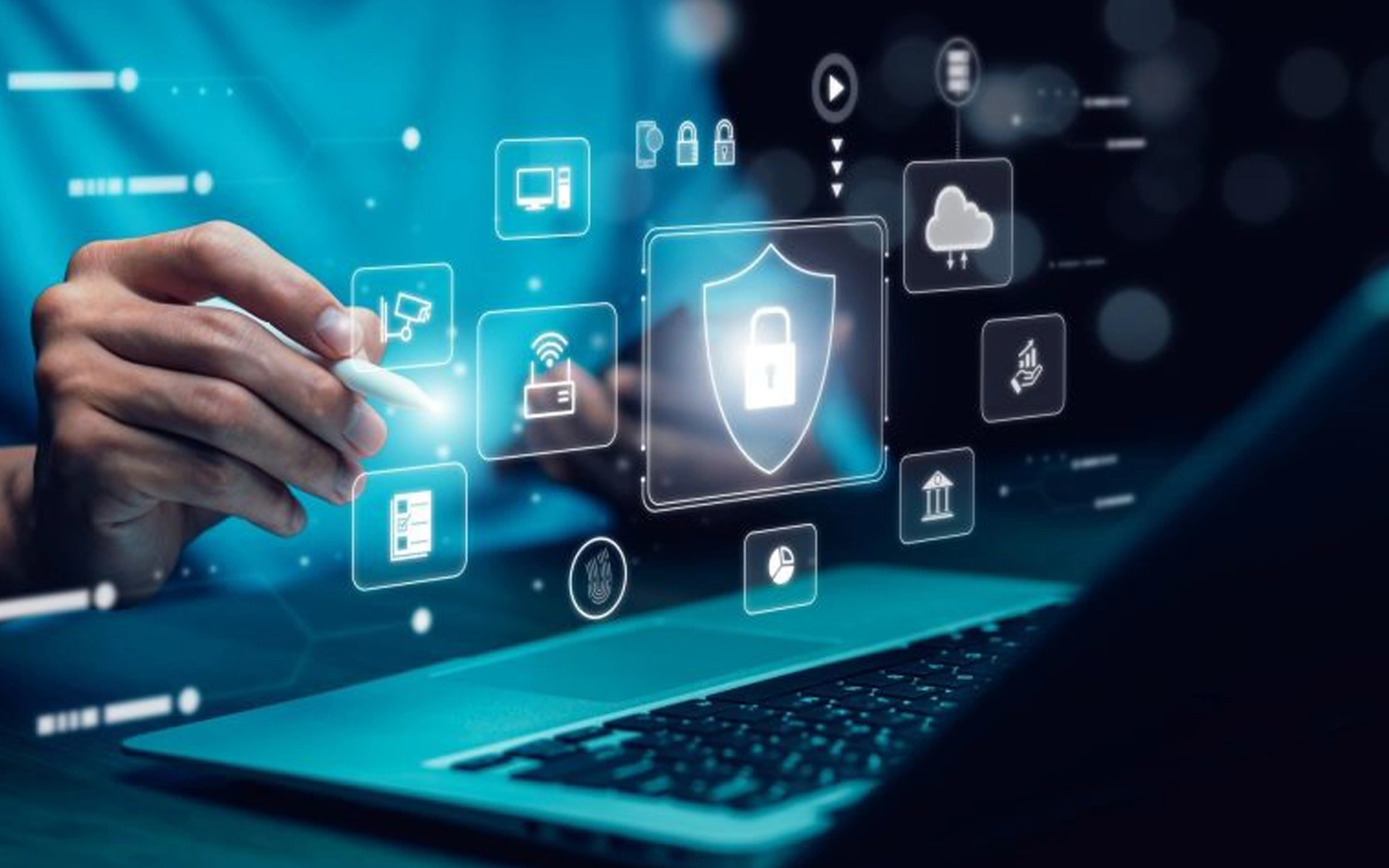
In 2026, cybersecurity is no longer optional—it is a business necessity. As companies rapidly adopt digital tools, cloud platforms, and online transactions, cyber threats are becoming more sophisticated and frequent. From small startups to large enterprises, every business is now a potential target for hackers.
A single data breach can lead to financial loss, legal issues, and damage to your brand reputation. That’s why implementing strong cybersecurity practices is critical for business survival and growth.
In this guide, we explore the top cybersecurity practices every business should follow in 2026.
Implement Multi-Factor Authentication (MFA)
Passwords alone are no longer enough to protect business accounts. Multi-Factor Authentication (MFA) adds an extra layer of security by requiring users to verify their identity in two or more ways.
Why MFA matters:
- Prevents unauthorized access even if passwords are stolen
- Protects email, cloud, and financial systems
- Easy to implement with modern tools
Best practice:
- Enable MFA for:
- Email accounts
- Admin dashboards
- Cloud storage
- Payment systems
Pro Tip: Use authenticator apps instead of SMS when possible for stronger security.
Keep Software and Systems Updated
Outdated software is one of the biggest security risks for businesses. Cybercriminals often exploit known vulnerabilities in old systems.
What you should update regularly:
- Operating systems
- Website CMS (WordPress, plugins, themes)
- Antivirus software
- Business applications
Why it matters:
Regular updates patch security holes and protect your systems from newly discovered threats.
Recommended approach: Enable automatic updates wherever possible.
Train Employees on Cybersecurity Awareness
Human error remains the #1 cause of security breaches. Even the best security systems can fail if employees are not properly trained.
Common employee risks:
- Clicking phishing emails
- Using weak passwords
- Downloading unknown attachments
- Using public Wi-Fi without protection
What businesses should do:
- Conduct regular cybersecurity training
- Run phishing simulation tests
- Create clear security policies
- Encourage a “think before you click” culture
Statistic: Businesses that train employees reduce phishing risk by up to 70%.
Secure Your Network and Wi-Fi
Your business network is the front door to your digital infrastructure. If it’s not properly secured, attackers can easily gain access.
Essential network security steps:
- Use strong Wi-Fi passwords
- Enable WPA3 or WPA2 encryption
- Hide your network SSID if possible
- Use a business-grade firewall
- Segment guest and internal networks
Bonus protection:
Consider using a Virtual Private Network (VPN) for remote employees to encrypt internet traffic.
Regular Data Backups Are Critical
Ransomware attacks are rising rapidly in 2026. If your business data is locked or lost, backups can save you from disaster.
Follow the 3-2-1 backup rule:
- 3 copies of your data
- 2 different storage types
- 1 offsite or cloud backup
What to back up:
- Customer databases
- Financial records
- Website files
- Internal documents
Important: Test your backups regularly to ensure they actually work.
Protect Your Website and Online Platforms
If your business has a website or e-commerce store, it is a prime target for attackers.
Website security essentials:
- Install SSL certificates (HTTPS)
- Use secure hosting
- Enable web application firewall (WAF)
- Limit login attempts
- Use strong admin passwords
For e-commerce businesses:
- Use secure payment gateways
- Comply with data protection standards
- Monitor for suspicious transactions
Monitor and Respond to Threats in Real Time
Prevention is important—but detection is equally critical. Businesses must monitor their systems continuously.
Tools to consider:
- Intrusion Detection Systems (IDS)
- Security monitoring dashboards
- Log monitoring tools
- Endpoint protection platforms
Create an incident response plan:
- Your business should know:
- Who to contact
- How to isolate affected systems
- How to communicate with customers
- How to recover operations quickly
Work With Cybersecurity Professionals
Cybersecurity is becoming complex, and many small businesses lack in-house expertise.
Partnering with a trusted digital solutions provider ensures:
- Professional risk assessments
- Proper system configuration
- Continuous monitoring
- Compliance support
- Peace of mind
Conclusion
Cyber threats in 2026 are smarter, faster, and more damaging than ever before. Businesses that take cybersecurity seriously will protect their data, customers, and reputation.
By implementing strong authentication, keeping systems updated, training employees, securing networks, and maintaining reliable backups, your business can stay ahead of cybercriminals.
Cybersecurity is not just an IT issue—it is a business survival strategy.