

The Rise of NFC Technology in Modern Education
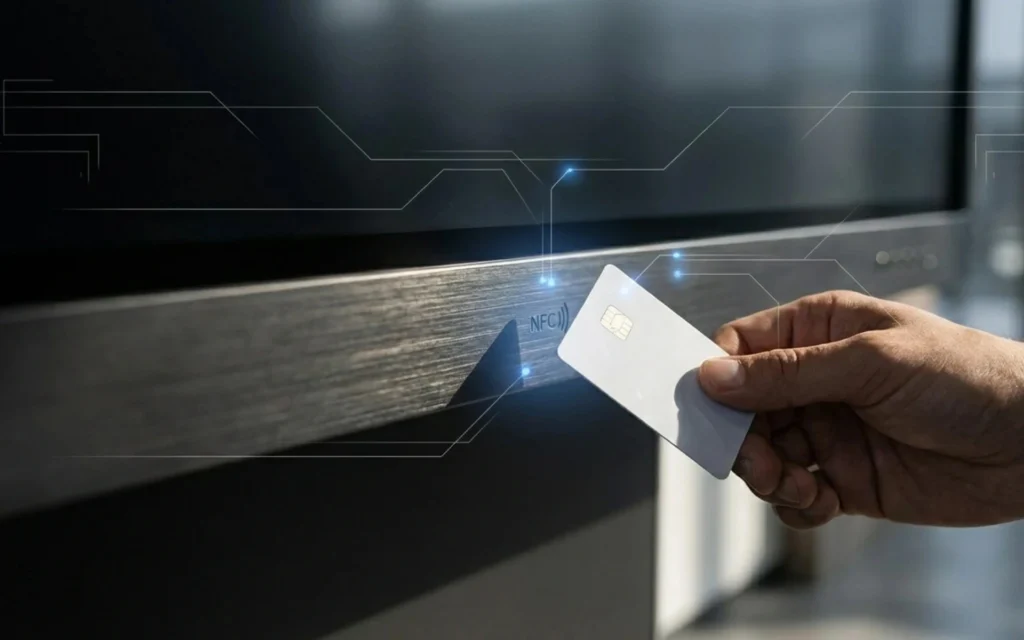
The Rise of NFC Technology in Modern Education Thisaja Sewmith March 1, 2026 Introduction In today’s fast-paced digital world, educational institutions are increasingly adopting technology to improve efficiency, security, and student engagement. Among these innovations, Near Field Communication (NFC) technology has emerged as a game-changer. Once primarily used for contactless payments, NFC is now helping schools, colleges, and universities streamline operations, reduce manual work, and enhance the overall learning experience. This article explores how NFC technology is revolutionizing modern education and why institutions should embrace it. What is NFC Technology? Near Field Communication (NFC) is a wireless communication technology that enables two devices to exchange data when they are within a few centimeters of each other. NFC is an evolution of RFID (Radio Frequency Identification) and is widely used in smartphones, smart cards, and wearable devices. In education, NFC is applied in various ways: from automated attendance to secure campus access and interactive learning tools. Its key benefits include speed, accuracy, and enhanced user experience. NFC in Attendance Systems Taking attendance manually in classrooms is not only time-consuming but also prone to errors. NFC technology simplifies this process: Automatic Check-In: Students tap their NFC-enabled ID cards or smartphones on a reader to mark their attendance instantly. Real-Time Data: Attendance records are updated in real time, allowing teachers and administrators to monitor student presence immediately. Analytics: Schools can analyze attendance trends to identify patterns such as frequent absenteeism, helping improve student engagement. Example: A university in Sri Lanka implemented an NFC-based attendance system and reduced the time spent on daily roll calls by 80%, allowing teachers to focus more on teaching. NFC for Library Management Managing books in a library can be labor-intensive. NFC technology streamlines library operations: Faster Checkouts: Students simply tap their NFC-enabled library cards to borrow books. Reduced Errors: Automated systems minimize mistakes in recording borrowed or returned books. Digital Integration: Library databases can be updated instantly, allowing students to see real-time availability of books. Interactive Features: NFC tags on books can link to additional resources, summaries, or author information, enhancing learning. Example: Schools using NFC-enabled library systems report faster circulation of books and improved student satisfaction, as long queues are eliminated. Enhancing Campus Security Security is a critical concern for educational institutions. NFC improves campus safety by controlling access and monitoring movement: Secure Access: Only authorized students, staff, or visitors with NFC-enabled IDs can enter restricted areas like laboratories, server rooms, or administrative offices. Instant Deactivation: Lost or stolen cards can be deactivated immediately, preventing unauthorized access. Activity Logs: Every entry and exit is logged automatically, providing detailed records for auditing or emergency situations. Example: A college implemented NFC access for dormitories, significantly reducing unauthorized entries and providing peace of mind to students and parents. NFC in Student Engagement and Events Beyond operational efficiency, NFC can enhance student engagement and participation in campus activities: Event Registration: Students can sign up for workshops, seminars, or sports activities with a simple tap of their NFC card. Instant Resource Sharing: NFC tags can provide access to lecture notes, videos, or online learning platforms instantly. Interactive Learning: Teachers can use NFC-enabled tools to create gamified lessons, quizzes, or collaborative projects. Example: An educational institute hosted a tech exhibition where NFC badges allowed attendees to access schedules, speakers’ profiles, and download resources seamlessly. Benefits of NFC in Education Implementing NFC technology offers multiple advantages: Efficiency: Automates repetitive tasks such as attendance and book borrowing. Accuracy: Reduces human errors in data entry and record-keeping. Security: Controlled access and real-time monitoring of student and staff movements. Engagement: Facilitates interactive learning and participation in campus events. Sustainability: Reduces paper use for attendance sheets, library slips, and registration forms. Statistics: According to recent studies, institutions that implemented NFC systems reported a 30-50% reduction in administrative workload and significant improvements in student satisfaction. Challenges and Considerations While NFC is highly beneficial, institutions must consider: Initial Costs: NFC-enabled devices, cards, and infrastructure require upfront investment. Compatibility: Ensuring that all student devices or ID cards are NFC-compatible. Data Privacy: Secure handling of personal information and attendance records. Training: Staff and students need proper guidance to use NFC systems efficiently. With proper planning and implementation, these challenges can be easily addressed, making NFC a sustainable and future-proof solution for education. Conclusion NFC technology is transforming the educational landscape by providing convenience, security, and efficiency. From automated attendance and library management to secure access and interactive student engagement, NFC empowers institutions to embrace a smarter, more connected future. By integrating NFC solutions, schools and universities can reduce administrative burdens, improve security, and create an enriched learning environment for students and staff alike. Facebook Twitter LinkedIn Whatsapp Whatsapp Recent News edit post The Power of Video Editing Turning Clips into Compelling Stories March 2, 2026 edit post Tech Trends Every Entrepreneur Should Know in 2026 March 2, 2026 edit post The Impact of Blockchain Beyond Cryptocurrency March 2, 2026 Get in Touch – We’re Just a Click Away! Contact