
The Power of Automation: How Businesses Can Save Time and Money in 2026

The Power of Automation: How Businesses Can Save Time and Money in 2026 Thisaja Sewmith March 2, 2026 Introduction In 2026, speed and efficiency determine business success. Companies that rely heavily on manual work are falling behind competitors who use automation to streamline operations. Business automation uses technology to perform repetitive tasks with minimal human intervention. From customer service and marketing to finance and inventory, automation helps organizations work smarter, reduce costs, and scale faster. In this article, we explore how automation is transforming modern businesses and how you can leverage it for growth. What is Business Automation? Business automation refers to using software, AI, and digital tools to handle routine processes automatically. Common automated areas: Customer support Email marketing Inventory management Billing and invoicing HR and payroll Data entry Appointment scheduling Simple example: Instead of manually sending invoices, an automated system generates and emails them instantly. Major Benefits of Automation ✅ Time Savings Automation handles repetitive tasks instantly, freeing your team to focus on strategic work. ✅ Cost Reduction Less manual labor means lower operational costs and fewer human errors. ✅ Improved Accuracy Automated systems reduce mistakes in calculations, data entry, and reporting. ✅ Better Scalability Automation allows businesses to grow without proportionally increasing staff. ✅ 24/7 Operations Automated systems work around the clock without breaks. Customer Service Automation Customer expectations are higher than ever. Tools that transform support: AI chatbots Automated ticketing systems FAQ automation WhatsApp auto-replies CRM workflows Business impact: Instant responses Reduced support workload Higher customer satisfaction More consistent service Even small businesses can now provide enterprise-level support. Marketing Automation for Higher Conversions Marketing automation is one of the highest ROI investments. What you can automate: Email campaigns Lead nurturing Social media posting Customer segmentation Retargeting campaigns Sales funnels Results businesses see: More qualified leads Higher conversion rates Better customer engagement Improved ROI Automation ensures the right message reaches the right customer at the right time. Financial and Accounting Automation Manual accounting is slow and error-prone. Automate these processes: Invoice generation Expense tracking Payment reminders Payroll processing Financial reporting Tax calculations Benefits: Faster bookkeeping Reduced financial errors Better cash flow visibility Compliance support Finance automation is especially valuable for growing SMEs. HR and Employee Management Automation Managing employees manually becomes difficult as businesses grow. HR automation includes: Attendance tracking Leave management Employee onboarding Performance tracking Shift scheduling Payroll integration Impact: Less administrative burden Better workforce visibility Improved employee experience Accurate attendance data (Your NFC attendance system fits perfectly here 🔥) Inventory and Operations Automation Operational automation keeps businesses running smoothly. Key automation areas: Stock level monitoring Auto reorder triggers Warehouse tracking Order processing Delivery updates Business results: Fewer stockouts Reduced overstock Faster fulfillment Lower operational costs Retail, logistics, and e-commerce businesses benefit massively here. Common Automation Mistakes to Avoid ❌ Automating broken processes❌ Choosing too many tools at once❌ Ignoring staff training❌ Not monitoring automated systems❌ Forgetting cybersecurity Rule: First optimize the process — then automate it. How to Start Automation in Your Business Step-by-step roadmap: Step 1: Identify repetitive tasksLook for time-consuming manual work. Step 2: Prioritize high-impact areasStart with customer service, finance, or marketing. Step 3: Choose scalable toolsSelect systems that grow with your business. Step 4: Train your teamEnsure smooth adoption. Step 5: Monitor and optimizeAutomation is not “set and forget.” Why Automation is Essential in 2026 Businesses that embrace automation gain: Faster operations Lower costs Better customer experience Improved accuracy Higher scalability Competitive advantage Companies that delay automation risk becoming inefficient and uncompetitive. Conclusion Automation is no longer a luxury — it is a business necessity in 2026. Organizations that automate smartly save time, reduce costs, improve accuracy, and create better customer experiences. Whether you run a small business or a growing enterprise, the right automation strategy can transform your operations and unlock new levels of efficiency. The future belongs to businesses that work smarter — not harder. Facebook Twitter LinkedIn Whatsapp Whatsapp Recent News edit post The Power of Automation: How Businesses Can Save Time and Money in 2026 March 2, 2026 edit post The Power of Video Editing Turning Clips into Compelling Stories March 2, 2026 edit post Tech Trends Every Entrepreneur Should Know in 2026 March 2, 2026 Get in Touch – We’re Just a Click Away! Contact
Tech Trends Every Entrepreneur Should Know in 2026
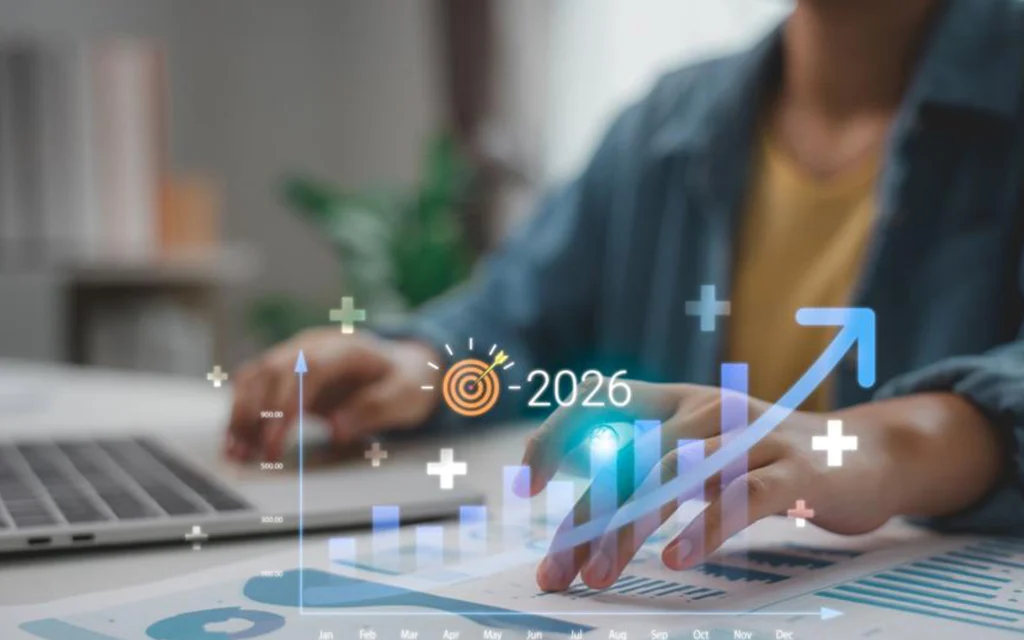
Tech Trends Every Entrepreneur Should Know in 2026 Thisaja Sewmith March 2, 2026 Introduction In 2026, technology is moving faster than ever, and entrepreneurs who stay ahead of the curve will dominate their industries. Whether you run a startup, an online store, or a digital service company like Fuji Digital Solutions, understanding emerging tech trends is essential for growth, efficiency, and long-term success. From AI and blockchain to mobile-first strategies and cloud computing, technology is no longer just a tool—it is the backbone of modern business. This article breaks down the most important tech trends that every entrepreneur must watch in 2026, why they matter, and how you can use them to scale your business. AI-Powered Everything Artificial Intelligence (AI) has become the engine driving modern business efficiency and innovation. In 2026, AI goes beyond simple automation—it powers decision-making, customer engagement, and operational optimization. Key AI Applications: Customer Support: AI chatbots handle thousands of customer queries simultaneously, reducing response times and improving satisfaction. Content Generation: AI tools help create marketing copy, blog posts, and social media content in minutes. Sales Forecasting: AI predicts trends based on historical data, helping entrepreneurs make smarter decisions. Operational Efficiency: AI optimizes workflows, predicts stock levels, and improves supply chain management. Why Entrepreneurs Should Care: Reduces repetitive work and operational costs Provides actionable insights in real time Improves customer experience and loyalty Scales business without proportionally increasing staff Example: A retail entrepreneur can use AI to automatically recommend products to customers based on past purchases, boosting conversions without extra manual effort. Smart E-Commerce Personalization E-commerce is no longer one-size-fits-all. Customers expect personalized experiences in 2026, and stores that deliver them outperform their competitors. Trends in 2026: AI-driven product recommendations Dynamic pricing based on demand or customer behavior Personalized homepages and email campaigns Predictive shopping experiences Business Impact: Higher conversion rates Increased average order value Stronger customer retention Pro Tip: For WooCommerce or Shopify stores, integrate AI-powered recommendation engines and dynamic marketing automation to match customer expectations. Cloud-First Business Operations Cloud computing is now the backbone of scalable businesses. Entrepreneurs can run operations more efficiently without investing heavily in infrastructure. Cloud Advantages: Remote collaboration tools Cloud-based CRMs, accounting, and analytics SaaS platforms for marketing and sales Scalable infrastructure for growing businesses Benefits: Work from anywhere with access to all business data Reduce upfront IT costs Ensure business continuity with cloud backup and recovery Example: A startup can launch nationwide without buying servers, using cloud platforms to manage everything from payroll to customer relations. Cybersecurity Becomes a Top Priority As businesses go digital, the risk of cyber threats grows. Security is no longer optional; it is a critical business function. Threats in 2026: Ransomware attacks targeting small and medium enterprises Data breaches from poor password management Payment fraud in e-commerce stores Recommended Security Measures: Multi-factor authentication (MFA) Secure cloud hosting with SSL certificates Regular data backups and recovery plans Employee cybersecurity awareness programs Reality Check: Entrepreneurs who neglect security risk losing customers, money, and reputation. Mobile-First Everything Mobile devices dominate digital interaction in 2026. Entrepreneurs must design every product and service with a mobile-first mindset. Mobile Trends: Mobile-first websites and progressive web apps (PWAs) One-click checkout and mobile payment integration App-like web experiences for better engagement Why It Matters: Over 70% of users primarily browse and shop on mobile Fast, smooth mobile experiences directly improve conversion rates Example: A restaurant using mobile ordering apps with AI suggestions for upsells increases revenue by simplifying the ordering process for customers. Automation of Business Workflows Automation is critical to reducing repetitive tasks, minimizing errors, and scaling operations. Automation Examples: Email marketing sequences Lead capture and follow-ups Invoice generation Appointment scheduling Social media posting Business Benefits: Less manual work Reduced human errors Faster operations Better customer experience Pro Tip: Start small—automate one workflow at a time, then expand gradually. No-Code and Low-Code Development The rise of no-code platforms allows entrepreneurs to build digital products without needing extensive technical skills. Applications: Build websites, mobile apps, and dashboards Create internal automation workflows Launch SaaS tools quickly Benefits: Lower development costs Faster time-to-market Independence from full-time developers Example: A small business owner can create a customer booking system in days using a no-code tool instead of spending weeks or months in development. Data-Driven Decision Making Entrepreneurs can no longer rely solely on gut instincts. Data-driven insights are becoming essential for business growth. Key Tools: Analytics dashboards Heatmaps to study website behavior Conversion tracking Customer journey tracking Predictive analytics for sales forecasting Business Advantage: Smarter marketing decisions Improved sales strategies Better operational planning Example: A SaaS entrepreneur can use predictive analytics to anticipate subscription renewals and reduce churn proactively. Digital Payments and Fintech Growth Cashless transactions dominate, making flexible and secure payment systems essential. Payment Innovations: Mobile wallets and QR codes Online payment gateways Subscription and recurring billing Buy Now, Pay Later (BNPL) options Why Entrepreneurs Must Adapt: Customers expect fast, safe, and convenient payments. Offering modern payment options can boost sales and customer trust. Customer Experience (CX) Technology In 2026, experience beats price in most industries. CX-focused technologies are essential for retention and growth. CX Innovations: Live chat systems AI chatbots Omnichannel customer support Automated follow-ups and feedback collection Result: Higher customer satisfaction Increased loyalty and repeat business Better online reviews and brand reputation Example: An online store using AI chatbots to resolve queries instantly sees fewer abandoned carts and higher conversion rates. Final Thoughts Technology in 2026 is no longer just a tool—it is the foundation of successful entrepreneurship. AI, automation, cloud computing, mobile-first solutions, and advanced CX technologies are reshaping how businesses operate. Key Takeaways for Entrepreneurs: Start integrating AI and automation into your workflows Prioritize mobile-first and cloud-ready solutions Ensure robust cybersecurity measures Use data-driven strategies to make better decisions Focus on delivering exceptional customer experiences Entrepreneurs who adopt these tech trends early will have a competitive advantage, reduce costs, scale faster, and delight customers consistently. Facebook Twitter LinkedIn
IoT and Smart Devices: Connecting Your Business Efficiently
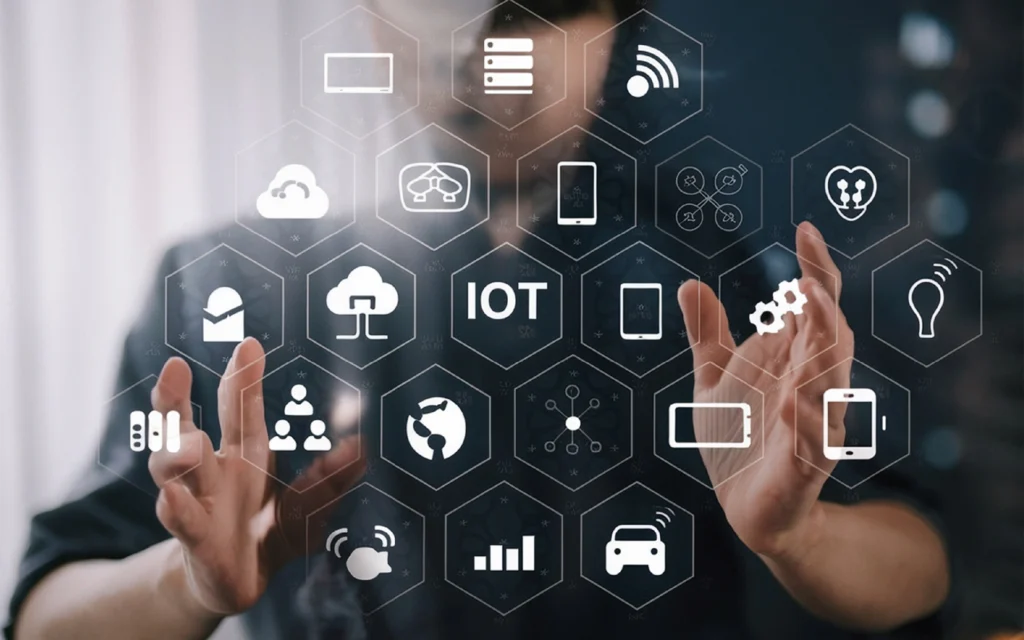
IoT and Smart Devices: Connecting Your Business Efficiently Thisaja Sewmith March 2, 2026 Introduction The Internet of Things (IoT) is transforming how businesses operate in 2026. From smart offices and automated inventory systems to real-time tracking and predictive maintenance, IoT enables businesses to become faster, smarter, and more efficient. Simply put, IoT connects physical devices to the internet so they can collect, share, and act on data automatically. Businesses that adopt IoT solutions gain better visibility, improved automation, and stronger decision-making capabilities. In this article, we explore how IoT and smart devices are revolutionizing modern businesses and why now is the perfect time to adopt them. What is IoT and How Does It Work? The Internet of Things (IoT) refers to a network of physical devices connected to the internet that can collect and exchange data. Common IoT components: Smart sensors Connected devices Cloud platforms Data analytics systems Automation software Simple example: A smart temperature sensor in a warehouse can automatically alert managers if conditions exceed safe limits. Key idea: IoT turns ordinary devices into intelligent, data-driven systems. Smart Inventory Management Inventory management is one of the biggest areas where IoT delivers value. How IoT improves inventory: Real-time stock tracking Automatic low-stock alerts Reduced manual counting Better demand forecasting Warehouse automation Business impact: Fewer stockouts Reduced overstock Lower labor costs Faster operations Retailers and warehouses using IoT often see significant efficiency improvements. IoT in Smart Offices and Workplaces Modern workplaces are becoming smarter with connected devices. Smart office solutions include: Smart lighting systems Automated air conditioning Occupancy sensors Smart meeting rooms Energy monitoring systems Benefits: Reduced electricity costs Improved employee comfort Better space utilization Remote monitoring and control Result: Lower operational expenses and a more productive work environment. Real-Time Asset Tracking Businesses that manage vehicles, equipment, or valuable assets benefit greatly from IoT tracking. IoT tracking enables: GPS-based vehicle monitoring Equipment usage tracking Theft prevention alerts Route optimization Maintenance scheduling Industries that benefit most: Logistics Construction Transportation Delivery services Real-time visibility helps businesses reduce losses and improve efficiency. Predictive Maintenance with IoT Traditional maintenance is reactive — something breaks, then you fix it. IoT introduces predictive maintenance. How it works: Sensors monitor equipment health and detect early warning signs before failure occurs. Benefits: Reduced downtime Lower repair costs Longer equipment lifespan Better operational planning This is especially valuable for manufacturing and industrial businesses. Enhancing Customer Experience IoT is not just about operations — it also improves customer experience. Examples: Smart retail shelves Personalized in-store offers Contactless check-ins Smart kiosks NFC-enabled interactions Businesses can deliver faster, more personalized services that modern customers expect. IoT Security Considerations While IoT brings powerful benefits, security must be taken seriously. Key risks: Unauthorized device access Data breaches Weak device passwords Unsecured networks Best practices: Use device authentication Encrypt data transmission Regularly update firmware Segment IoT networks Monitor device activity Important: Secure IoT implementation is critical for long-term success. Challenges Businesses Should Prepare For Before adopting IoT, businesses should plan for: Initial setup costs Device compatibility Network reliability Data management complexity Staff training needs With proper planning and expert support, these challenges can be easily managed. Why IoT is Essential for Businesses in 2026 Companies adopting IoT gain: Real-time operational visibility Increased automation Lower operational costs Better decision-making Competitive advantage Improved customer satisfaction IoT is quickly moving from a luxury innovation to a business necessity. Conclusion The Internet of Things is reshaping how businesses operate in 2026. By connecting devices, automating processes, and delivering real-time insights, IoT enables organizations to work smarter, faster, and more efficiently. Businesses that invest in IoT today position themselves for stronger growth, improved efficiency, and long-term digital success. The future of business is connected — and IoT is leading the way. Facebook Twitter LinkedIn Whatsapp Whatsapp Recent News edit post The Power of Video Editing Turning Clips into Compelling Stories March 2, 2026 edit post Tech Trends Every Entrepreneur Should Know in 2026 March 2, 2026 edit post The Impact of Blockchain Beyond Cryptocurrency March 2, 2026 Get in Touch – We’re Just a Click Away! Contact
Why Every Business Needs a Digital Transformation Strategy
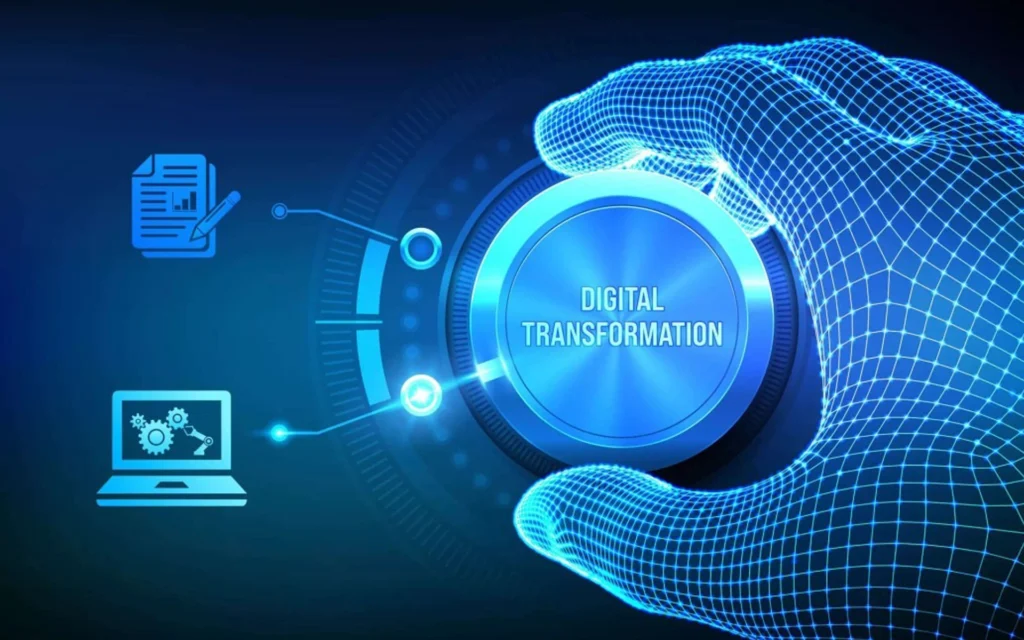
Why Every Business Needs a Digital Transformation Strategy Thisaja Sewmith March 2, 2026 Introduction In today’s hyper-connected world, businesses can no longer rely solely on traditional methods to stay competitive. Customers expect fast service, seamless digital experiences, and personalized interactions. This shift has made digital transformation not just an option—but a necessity. Digital transformation is the process of using digital technologies to fundamentally improve business operations, customer experience, and value delivery. Companies that embrace it grow faster, operate more efficiently, and adapt quickly to market changes. In this article, we explore why every business needs a digital transformation strategy in 2026 and how to implement it successfully. Changing Customer Expectations Modern customers are digital-first. They expect: Instant responses Online service availability Mobile-friendly experiences Personalized recommendations Seamless online payments Businesses that fail to meet these expectations risk losing customers to more tech-savvy competitors. Example: A retail store without online ordering or digital communication channels may struggle to compete with businesses offering full e-commerce experiences. Key takeaway: Digital transformation helps businesses meet customers where they are — online. Increased Operational Efficiency One of the biggest benefits of digital transformation is automation and process optimization. Areas where digital tools improve efficiency: Automated billing and invoicing Inventory management systems Digital attendance and HR systems CRM for customer management Cloud-based collaboration tools Results businesses typically see: Reduced manual work Fewer human errors Faster workflows Lower operational costs When routine tasks are automated, teams can focus on high-value activities that drive growth. Better Data-Driven Decision Making Data is one of the most valuable assets a business can have — but only if it is used correctly. Digital transformation enables businesses to: Collect real-time data Analyze customer behavior Forecast sales trends Monitor performance dashboards Identify growth opportunities Why this matters in 2026: Businesses that rely on guesswork fall behind. Data-driven companies make smarter, faster, and more profitable decisions. Improved Customer Experience Customer experience (CX) is now a major competitive advantage. Digital transformation enables: Omnichannel communication AI chatbots for instant support Personalized marketing Faster service delivery Self-service customer portals Real-world impact: Companies that invest in digital CX often see: Higher customer satisfaction Increased repeat purchases Stronger brand loyalty Better online reviews Happy customers become long-term customers. Enhanced Business Agility and Scalability Markets change quickly. Businesses must be able to adapt. Digital systems allow companies to: Scale operations easily Launch new services faster Support remote teams Enter new markets Handle sudden demand spikes Example: A cloud-based business can expand nationwide without investing heavily in physical infrastructure. Bottom line: Digital transformation future-proofs your business. Stronger Security and Risk Management Modern digital solutions include built-in security features that are far more advanced than traditional systems. Benefits include: Encrypted data storage Access control systems Automated backups Real-time threat monitoring Compliance support In 2026, cybersecurity threats are increasing — and digital transformation helps businesses stay protected. Competitive Advantage in the Market Businesses that digitally transform early gain a powerful edge. They can: Serve customers faster Operate more efficiently Innovate more quickly Reduce costs Expand digitally Meanwhile, companies that delay transformation often struggle to catch up. Reality check: Digital transformation is no longer about being innovative — it’s about staying relevant. Key Steps to Start Your Digital Transformation If your business is just beginning, follow this roadmap: Step 1: Assess your current processes Identify manual, slow, or outdated workflows. Step 2: Define clear business goals Focus on outcomes like efficiency, growth, or customer experience. Step 3: Choose the right technologies Examples include: Cloud solutions AI tools NFC systems CRM platforms Automation software Step 4: Train your team Technology works best when people know how to use it. Step 5: Partner with experts Working with a professional digital solutions provider ensures smooth implementation. Common Mistakes to Avoid ❌ Trying to transform everything at once❌ Choosing tools without a strategy❌ Ignoring employee training❌ Underestimating cybersecurity❌ Focusing only on technology (not people & process) Successful transformation is strategic, gradual, and well-managed. Conclusion In 2026, digital transformation is the foundation of business growth and resilience. Companies that embrace digital tools improve efficiency, enhance customer experiences, strengthen security, and unlock new revenue opportunities. The question is no longer “Should we transform?”The real question is “How fast can we start?” Businesses that act now will lead the future. Facebook Twitter LinkedIn Whatsapp Whatsapp Recent News edit post The Power of Video Editing Turning Clips into Compelling Stories March 2, 2026 edit post Tech Trends Every Entrepreneur Should Know in 2026 March 2, 2026 edit post The Impact of Blockchain Beyond Cryptocurrency March 2, 2026 Get in Touch – We’re Just a Click Away! Contact
Top Cybersecurity Practices for Businesses in 2026

Top Cybersecurity Practices for Businesses in 2026 Thisaja Sewmith March 2, 2026 Introduction In 2026, cybersecurity is no longer optional—it is a business necessity. As companies rapidly adopt digital tools, cloud platforms, and online transactions, cyber threats are becoming more sophisticated and frequent. From small startups to large enterprises, every business is now a potential target for hackers. A single data breach can lead to financial loss, legal issues, and damage to your brand reputation. That’s why implementing strong cybersecurity practices is critical for business survival and growth. In this guide, we explore the top cybersecurity practices every business should follow in 2026. Implement Multi-Factor Authentication (MFA) Passwords alone are no longer enough to protect business accounts. Multi-Factor Authentication (MFA) adds an extra layer of security by requiring users to verify their identity in two or more ways. Why MFA matters: Prevents unauthorized access even if passwords are stolen Protects email, cloud, and financial systems Easy to implement with modern tools Best practice: Enable MFA for: Email accounts Admin dashboards Cloud storage Payment systems Pro Tip: Use authenticator apps instead of SMS when possible for stronger security. Keep Software and Systems Updated Outdated software is one of the biggest security risks for businesses. Cybercriminals often exploit known vulnerabilities in old systems. What you should update regularly: Operating systems Website CMS (WordPress, plugins, themes) Antivirus software Business applications Why it matters: Regular updates patch security holes and protect your systems from newly discovered threats. Recommended approach: Enable automatic updates wherever possible. Train Employees on Cybersecurity Awareness Human error remains the #1 cause of security breaches. Even the best security systems can fail if employees are not properly trained. Common employee risks: Clicking phishing emails Using weak passwords Downloading unknown attachments Using public Wi-Fi without protection What businesses should do: Conduct regular cybersecurity training Run phishing simulation tests Create clear security policies Encourage a “think before you click” culture Statistic: Businesses that train employees reduce phishing risk by up to 70%. Secure Your Network and Wi-Fi Your business network is the front door to your digital infrastructure. If it’s not properly secured, attackers can easily gain access. Essential network security steps: Use strong Wi-Fi passwords Enable WPA3 or WPA2 encryption Hide your network SSID if possible Use a business-grade firewall Segment guest and internal networks Bonus protection: Consider using a Virtual Private Network (VPN) for remote employees to encrypt internet traffic. Regular Data Backups Are Critical Ransomware attacks are rising rapidly in 2026. If your business data is locked or lost, backups can save you from disaster. Follow the 3-2-1 backup rule: 3 copies of your data 2 different storage types 1 offsite or cloud backup What to back up: Customer databases Financial records Website files Internal documents Important: Test your backups regularly to ensure they actually work. Protect Your Website and Online Platforms If your business has a website or e-commerce store, it is a prime target for attackers. Website security essentials: Install SSL certificates (HTTPS) Use secure hosting Enable web application firewall (WAF) Limit login attempts Use strong admin passwords For e-commerce businesses: Use secure payment gateways Comply with data protection standards Monitor for suspicious transactions Monitor and Respond to Threats in Real Time Prevention is important—but detection is equally critical. Businesses must monitor their systems continuously. Tools to consider: Intrusion Detection Systems (IDS) Security monitoring dashboards Log monitoring tools Endpoint protection platforms Create an incident response plan: Your business should know: Who to contact How to isolate affected systems How to communicate with customers How to recover operations quickly Work With Cybersecurity Professionals Cybersecurity is becoming complex, and many small businesses lack in-house expertise. Partnering with a trusted digital solutions provider ensures: Professional risk assessments Proper system configuration Continuous monitoring Compliance support Peace of mind Conclusion Cyber threats in 2026 are smarter, faster, and more damaging than ever before. Businesses that take cybersecurity seriously will protect their data, customers, and reputation. By implementing strong authentication, keeping systems updated, training employees, securing networks, and maintaining reliable backups, your business can stay ahead of cybercriminals. Cybersecurity is not just an IT issue—it is a business survival strategy. Facebook Twitter LinkedIn Whatsapp Whatsapp Recent News edit post The Power of Video Editing Turning Clips into Compelling Stories March 2, 2026 edit post Tech Trends Every Entrepreneur Should Know in 2026 March 2, 2026 edit post The Impact of Blockchain Beyond Cryptocurrency March 2, 2026 Get in Touch – We’re Just a Click Away! Contact