
IoT and Smart Devices: Connecting Your Business Efficiently
Thisaja Sewmith
March 2, 2026
Introduction
The Internet of Things (IoT) is transforming how businesses operate in 2026. From smart offices and automated inventory systems to real-time tracking and predictive maintenance, IoT enables businesses to become faster, smarter, and more efficient.
Simply put, IoT connects physical devices to the internet so they can collect, share, and act on data automatically. Businesses that adopt IoT solutions gain better visibility, improved automation, and stronger decision-making capabilities.
In this article, we explore how IoT and smart devices are revolutionizing modern businesses and why now is the perfect time to adopt them.
What is IoT and How Does It Work?
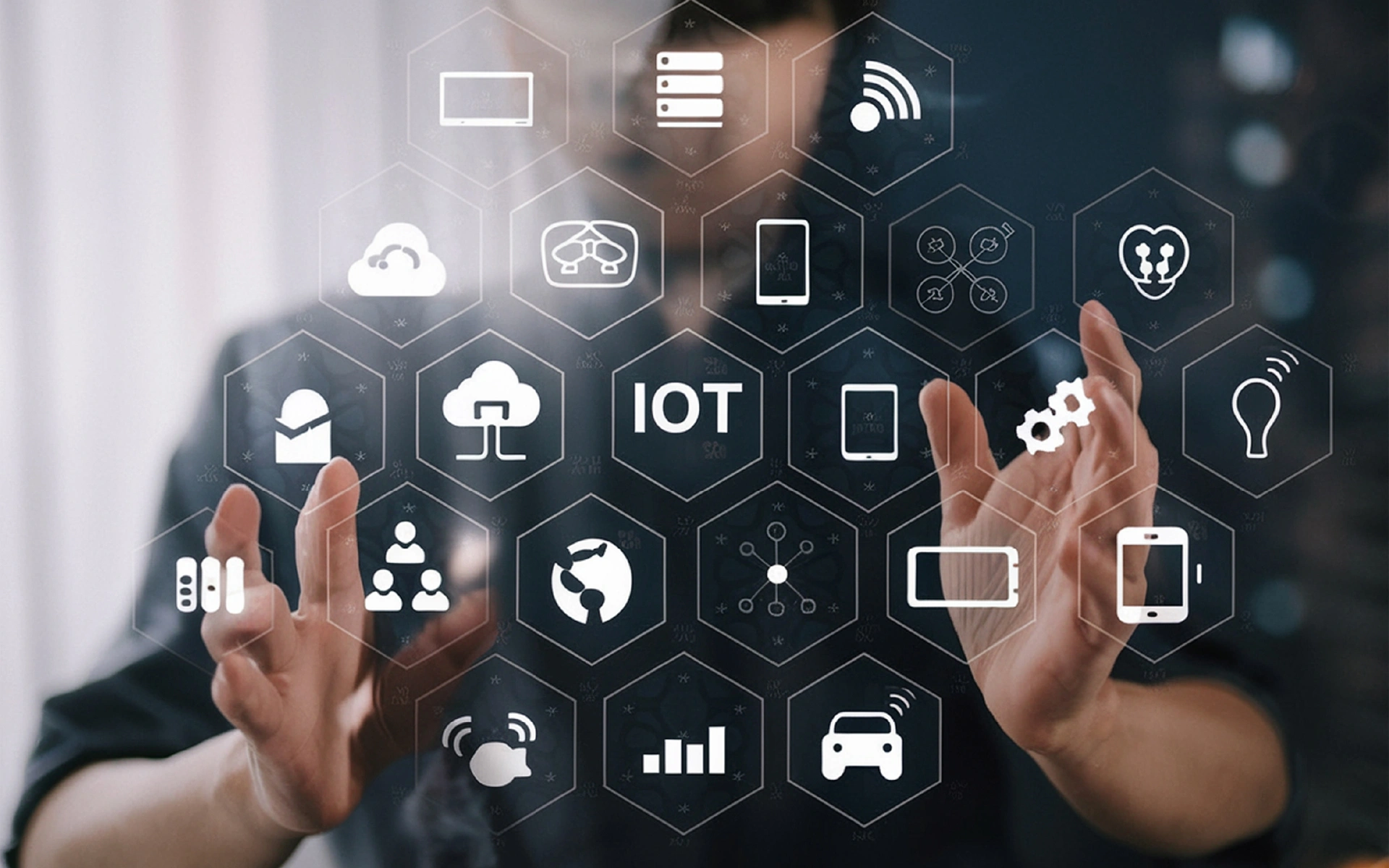
The Internet of Things (IoT) refers to a network of physical devices connected to the internet that can collect and exchange data.
Common IoT components:
- Smart sensors
- Connected devices
- Cloud platforms
- Data analytics systems
- Automation software
Simple example:
A smart temperature sensor in a warehouse can automatically alert managers if conditions exceed safe limits.
Key idea: IoT turns ordinary devices into intelligent, data-driven systems.
Smart Inventory Management
Inventory management is one of the biggest areas where IoT delivers value.
How IoT improves inventory:
- Real-time stock tracking
- Automatic low-stock alerts
- Reduced manual counting
- Better demand forecasting
- Warehouse automation
Business impact:
- Fewer stockouts
- Reduced overstock
- Lower labor costs
- Faster operations
Retailers and warehouses using IoT often see significant efficiency improvements.
IoT in Smart Offices and Workplaces
Modern workplaces are becoming smarter with connected devices.
Smart office solutions include:
- Smart lighting systems
- Automated air conditioning
- Occupancy sensors
- Smart meeting rooms
- Energy monitoring systems
Benefits:
- Reduced electricity costs
- Improved employee comfort
- Better space utilization
- Remote monitoring and control
Result: Lower operational expenses and a more productive work environment.
Real-Time Asset Tracking
Businesses that manage vehicles, equipment, or valuable assets benefit greatly from IoT tracking.
IoT tracking enables:
- GPS-based vehicle monitoring
- Equipment usage tracking
- Theft prevention alerts
- Route optimization
- Maintenance scheduling
Industries that benefit most:
- Logistics
- Construction
- Transportation
- Delivery services
Real-time visibility helps businesses reduce losses and improve efficiency.
Predictive Maintenance with IoT
Traditional maintenance is reactive — something breaks, then you fix it.
IoT introduces predictive maintenance.
How it works:
Sensors monitor equipment health and detect early warning signs before failure occurs.
Benefits:
- Reduced downtime
- Lower repair costs
- Longer equipment lifespan
- Better operational planning
This is especially valuable for manufacturing and industrial businesses.
Enhancing Customer Experience
IoT is not just about operations — it also improves customer experience.
Examples:
- Smart retail shelves
- Personalized in-store offers
- Contactless check-ins
- Smart kiosks
- NFC-enabled interactions
Businesses can deliver faster, more personalized services that modern customers expect.
IoT Security Considerations
While IoT brings powerful benefits, security must be taken seriously.
Key risks:
- Unauthorized device access
- Data breaches
- Weak device passwords
- Unsecured networks
Best practices:
- Use device authentication
- Encrypt data transmission
- Regularly update firmware
- Segment IoT networks
- Monitor device activity
Important: Secure IoT implementation is critical for long-term success.
Challenges Businesses Should Prepare For
Before adopting IoT, businesses should plan for:
- Initial setup costs
- Device compatibility
- Network reliability
- Data management complexity
- Staff training needs
With proper planning and expert support, these challenges can be easily managed.
Why IoT is Essential for Businesses in 2026
Companies adopting IoT gain:
- Real-time operational visibility
- Increased automation
- Lower operational costs
- Better decision-making
- Competitive advantage
- Improved customer satisfaction
IoT is quickly moving from a luxury innovation to a business necessity.
Conclusion
The Internet of Things is reshaping how businesses operate in 2026. By connecting devices, automating processes, and delivering real-time insights, IoT enables organizations to work smarter, faster, and more efficiently.
Businesses that invest in IoT today position themselves for stronger growth, improved efficiency, and long-term digital success.
The future of business is connected — and IoT is leading the way.